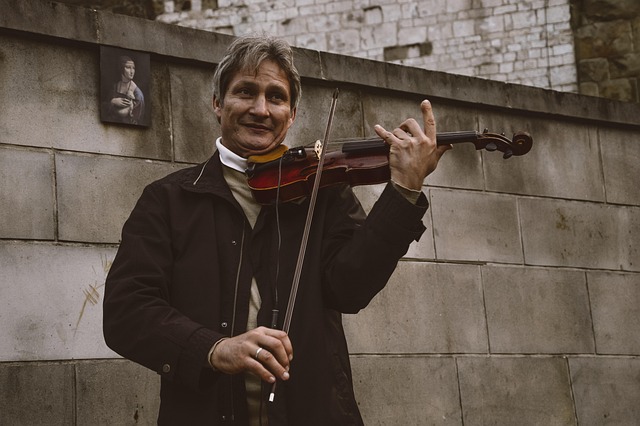

When a crowd gathers in a stadium or a festival tent, there is a silent thread that weaves together the sound of guitars, the rhythm of drums, and the pulse of the audience. That thread is the mood, the emotional atmosphere that turns a collection of songs into an unforgettable experience. In the evolving world of live entertainment, the figure who orchestrates this thread has become known as the “mood master.” The mood master is not just a stagehand or a lighting designer; they are a curator of feeling, a sculptor of atmosphere, and a key player in the modern concert ecosystem.
From Sound Check to Sensory Design: The Rise of the Mood Master
In the early days of rock concerts, the focus was largely on the performance itself—energy, setlists, and stage presence. Over time, producers began to realize that what happens behind the scenes can be just as crucial as the music on stage. The mood master emerged as a response to this insight, blending audio, visual, lighting, and even scent to create a coherent narrative that guides the audience’s emotional journey.
- Sound engineering and spatial acoustics shape the core experience.
- Lighting design sets the visual tone, from strobe bursts to gentle washes.
- Stage aesthetics and thematic props reinforce the storytelling arc.
- Soundstage choreography directs movement and crowd interaction.
The Mood Master’s Toolkit
Modern mood masters wield a wide array of technologies and creative strategies:
- Real‑time audio analytics: Monitoring volume, frequency, and crowd noise to adapt the mix on the fly.
- Dynamic lighting rigs: Using programmable LEDs, moving heads, and laser arrays to sync with the music.
- Interactive stage designs: Incorporating motion‑sensing panels and projection mapping to transform the set into a responsive canvas.
- Atmospheric enhancers: Subtle scent diffusions and temperature controls that align with thematic moments.
- Data‑driven audience insights: Leveraging ticketing data, social media trends, and real‑time feedback to fine‑tune the emotional pacing.
“A mood master turns a concert from a series of songs into a living, breathing story,” says veteran production designer Lila Grant.
Integrating the Mood Master Across the Entertainment Industry
The influence of the mood master extends beyond live concerts into festivals, cinema premieres, and even virtual reality music events. In each setting, the core objective remains the same: sculpt a cohesive emotional path that resonates with the audience.
- Concerts: Tailoring the setlist flow to match lighting shifts and audience energy.
- Festivals: Coordinating multiple stages with a unified atmospheric theme.
- Cinema: Enhancing film screenings with synchronized soundscapes and lighting cues.
- Music Industry Marketing: Using mood‑centric branding to create immersive promotional experiences.
Case Study: The “Sunset Reverb” Festival
In 2023, the newly launched Sunset Reverb festival in California demonstrated the power of a mood master. The event spanned three days with over 50,000 attendees across a sprawling outdoor complex.
- **Stage Layout:** Each stage was designed to mirror a chapter in a cinematic narrative, from “Dawn” with soft acoustics to “Midnight Surge” featuring high‑energy EDM.
- **Lighting Integration:** A central control hub used AI to synchronize stage lighting with the live audio feed, creating color transitions that matched key musical moments.
- **Audience Interaction:** Mobile app integration allowed fans to send real‑time mood inputs, which the mood master used to adjust lighting and stage effects in seconds.
The result was a festival that felt like a single, continuous movie, earning rave reviews for its immersive storytelling.
Challenges in Curating the Perfect Mood
While the mood master’s role is glamorous, it comes with significant hurdles:
- Audience Diversity: Balancing expectations of varied musical tastes and cultural backgrounds.
- Technical Limitations: Managing power, bandwidth, and physical constraints of large venues.
- Real‑Time Adaptation: Rapidly responding to unexpected shifts in crowd energy or technical glitches.
- Ethical Considerations: Avoiding manipulation of emotions through subliminal cues or intrusive data collection.
Ethics in Mood Engineering
As the mood master’s influence grows, so does scrutiny over the ethical use of sensory manipulation. Industry leaders emphasize:
- Transparency about the tools and techniques employed.
- Consent from audiences regarding data usage.
- Ensuring that the experience enhances, rather than exploits, the emotional wellbeing of attendees.
“The responsibility of a mood master is to elevate the human experience, not to override it,” notes festival director Miguel Alvarez.
Future Horizons for the Mood Master
Looking ahead, the role of the mood master is poised to expand into new territories:
- Virtual and Augmented Reality Concerts: Designing fully immersive digital environments that react to user movement.
- Hybrid Events: Combining physical and streaming audiences into a single, coherent mood.
- AI‑Driven Personalization: Utilizing machine learning to tailor individual emotional journeys within the same event.
- Cross‑Industry Collaboration: Working with film, gaming, and wellness industries to create multisensory experiences.
Skill Development for Aspiring Mood Masters
Those interested in entering this dynamic field should focus on the following areas:
- Strong foundation in audio engineering and stagecraft.
- Proficiency with lighting software and hardware.
- Knowledge of data analytics and real‑time feedback systems.
- Creative storytelling and thematic development.
- Awareness of ethical standards and audience psychology.
Conclusion
The concept of the mood master has transformed the concert landscape, turning performances into orchestrated emotional odysseys. By integrating sound, light, visuals, and data, the mood master crafts an atmosphere that resonates deeply with audiences, creating moments that linger long after the last chord fades. As technology advances and ethical frameworks evolve, the role will continue to innovate, offering ever richer and more personalized experiences across the entertainment industry. In the end, the true art of the mood master lies not just in manipulating sensory elements, but in weaving them together into a tapestry that speaks directly to the human heart.