
The art of booking a venue for a concert is a blend of strategy, intuition, and a deep understanding of the audience. An event location does more than simply host a performance; it shapes the experience, influences acoustics, and can even become a brand in its own right. Whether you’re planning an intimate club show or a sprawling outdoor festival, the right venue can elevate a night from memorable to legendary.
Why the Venue Matters: Beyond the Surface
When an artist walks onto a stage, the surrounding environment should amplify their presence, not distract from it. A poorly chosen event location can cause sound distortion, hinder sightlines, and dampen audience enthusiasm. In contrast, a venue that complements the act can create a synergistic atmosphere, turning an ordinary concert into a cultural moment.
The Core Factors to Evaluate
While every performance has unique demands, several universal criteria help distill the best event location:
- Capacity and Scale: Match the expected attendance with the venue’s seating or standing limits. A cramped space can feel oppressive, whereas an oversized hall may seem empty.
- Acoustic Signature: Every structure has a distinct sound profile. Consider whether the venue’s natural acoustics will favor the genre—rock may thrive in a reverberant arena, while classical acts need tighter resonance.
- Logistics and Infrastructure: Stage dimensions, rigging points, backstage facilities, and power availability all affect production feasibility.
- Accessibility: Proximity to public transport, parking availability, and compliance with accessibility standards ensure a smooth experience for all attendees.
- Atmospheric Fit: The venue’s architectural character, décor, and historical significance can enhance the thematic narrative of the concert.
Urban Arenas vs. Rural Outposts: Choosing the Right Context
Concerts in metropolitan centers often benefit from high footfall, established infrastructure, and media visibility. Large indoor arenas can house tens of thousands and provide controlled environments for elaborate stage productions. Conversely, rural or suburban locations—such as converted warehouses, barns, or amphitheaters—offer intimacy and unique aesthetic qualities that can resonate strongly with niche audiences.
“The city’s skyline is a backdrop, but the soul of a concert is in its surroundings.” – A veteran event producer.
Indoor Versus Outdoor: A Comparative Look
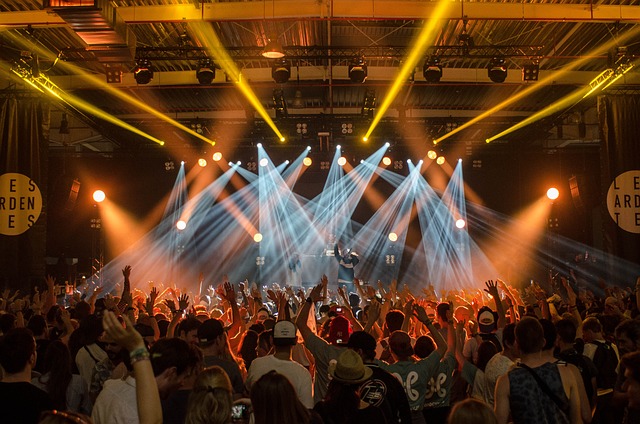
Indoor venues provide predictable weather conditions and controlled acoustics, making them ideal for elaborate light shows and sound systems. Outdoor festivals, however, embrace the natural landscape, allowing for larger crowds and multi-stage setups. The decision hinges on the artist’s vision and the logistical realities of the production team.
- Indoor: Controlled environment, higher production costs, limited seating flexibility.
- Outdoor: Expansive space, weather-dependent, often requires additional security and crowd management.
The Role of the Event Location in Marketing and Brand Identity
In today’s saturated entertainment market, the venue itself can become a selling point. A historic theater or a rooftop garden may be marketed as part of the ticket experience, offering fans a unique narrative. Collaborations between promoters and venue owners often result in joint branding opportunities—exclusive merchandise, pre-show events, and venue-specific photo ops—all of which enhance ticket appeal.
Leveraging Venue Partnerships
Successful events often arise from a symbiotic relationship between promoters and venue management. By aligning marketing strategies, sharing audience data, and co-creating event themes, both parties can maximize revenue and audience satisfaction. Transparent communication about capacity limits, safety protocols, and backstage requirements fosters trust and streamlines the planning process.
Case Studies: How the Right Event Location Shaped Iconic Concerts
Examining landmark performances provides insight into the transformative power of venue selection. For instance, the 1991 MTV Unplugged session by Nirvana recorded in a small rehearsal studio gave the band an intimate atmosphere that amplified the raw emotion of their set. In contrast, Beyoncé’s 2016 Coachella set capitalized on the sprawling desert setting, combining massive pyrotechnics with a vast crowd, creating a visual spectacle that was as much about the location as the performance.
Lessons Learned from Successful Venues
These examples underscore key takeaways:
- Alignment of Tone and Space: Matching the venue’s mood with the artist’s style can create a coherent narrative.
- Acoustic Optimization: Even renowned venues require sound engineers to tailor the mix to the room’s properties.
- Audience Engagement: Accessible and interactive spaces encourage fan participation and foster community.
Practical Steps for Selecting Your Next Event Location
1. Define the Event’s Objectives: Is the goal to maximize ticket sales, create a community experience, or launch a new album?
2. Conduct a Venue Audit: Inspect the acoustics, capacity, technical support, and accessibility. Engage a sound engineer early to assess acoustic potential.
3. Engage Local Authorities: Secure necessary permits, understand crowd capacity limits, and coordinate emergency services.
4. Negotiate Terms: Consider rental costs, profit-sharing models, and inclusive packages for equipment, staffing, and marketing.
5. Plan for Contingencies: Weather delays, technical failures, or unforeseen regulatory changes necessitate backup plans.
Tools and Resources to Aid Decision-Making
Modern event management platforms can streamline venue selection by integrating data on capacity, cost, acoustic metrics, and historical performance of previous concerts at the location. Additionally, industry publications, venue reviews, and forums provide qualitative insights from other promoters and artists.
Future Trends: Technological Enhancements in Venue Selection
Virtual reality walkthroughs, acoustic simulation software, and real-time data analytics are reshaping how event planners evaluate potential locations. These tools enable a more accurate prediction of audience experience, reducing the trial-and-error period and improving the ROI of venue investment.
Emerging Concepts in Venue Design
Flexible, modular stages and adaptive seating arrangements are becoming common, allowing a single venue to host diverse event types. Smart lighting systems integrated with crowd analytics can dynamically adjust the atmosphere based on audience energy levels, creating a more immersive experience.
Conclusion: The Event Location as the Silent Partner in Concert Success
Choosing the perfect event location is an intricate dance between artistic vision, audience expectations, and logistical realities. By evaluating capacity, acoustics, accessibility, and branding potential, promoters can select a venue that not only supports the performance but also enhances it. In the evolving landscape of entertainment, where technology and audience preferences shift rapidly, a thoughtfully chosen event location remains a cornerstone of memorable, profitable concerts.