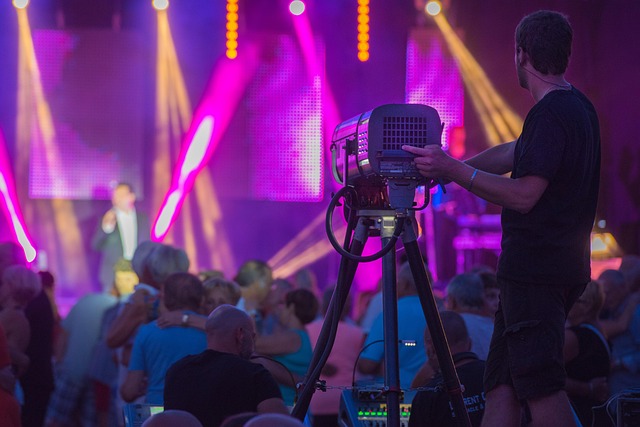

In the depths of a packed concert hall, when the lights slowly rise, painting the stage in hues that match the mood so perfectly it sends chills down your spine — that’s not by chance. It’s the magic crafted by a lighting technician. Often standing behind the scenes, unseen by the audience, these individuals are the heartbeat of the visual storytelling in the entertainment industry. Whether you’re lost in the drama of a powerful theatrical performance, swaying at a music festival under pulsing lights, or immersed in the warmth of a romantic scene in a film, the lighting technician has played a masterful role in shaping your experience.
The theatre world, rich in tradition and emotion, owes much of its depth to lighting. In a single scene, a lighting technician can manipulate emotion, draw focus, and support the story’s pace. Without them, a set is just a static space. But under their careful touch, a blank stage can turn into a war-torn battlefield or a serene countryside at sunset. It’s not just about shining a spotlight — it’s about composition, timing, and understanding human emotion.
At concerts and festivals, the high-energy rush that electrifies the crowd doesn’t solely come from the performers. The lighting technician is often perched at the back of the venue or off to the side, fingers poised over a dizzying array of buttons and sliders, syncing patterns of light to every beat and drop of the music. These visuals don’t just accompany the music — they elevate it, often becoming a memory locked in a concertgoer’s mind more than the songs themselves.
In cinema, lighting shapes the narrative in subtle yet powerful ways. A dim backlight can introduce mystery; a stark spotlight communicates dread; a warm hue adds romance. Behind these moments is a skilled lighting technician, working closely with directors and cinematographers to paint each frame like a canvas. They understand how shadows can express sorrow and how a burst of light can signal hope. Their work doesn’t shout — it whispers, guiding your emotions effortlessly from scene to scene.
The music industry too is deeply entwined with lighting design. Album release events, intimate acoustic sets, stadium tours — all rely on lighting to create atmosphere and engage the audience. Lighting technicians must adapt to each unique venue and artist’s vision, often making real-time decisions during live performances. Their adaptability and technical skills rival their artistic sensibilities, making them an essential part of every live music production.
Yet despite this spectrum of work across the entertainment landscape, the title “lighting technician” rarely headlines conversations about creativity. Still, ask any director, performer, or producer, and they’ll tell you: the impact of good lighting is immeasurable. A technician who knows their craft can transform an average show into a masterpiece of mood and sensation.
Lighting technicians may never take a bow or have their name in lights, but their presence is everywhere — in every gasp of the audience, in every perfectly lit frame, and every unforgettable night under the stars at a festival. Their artistry lies not in being seen, but in making everything else come alive in ways words never could.