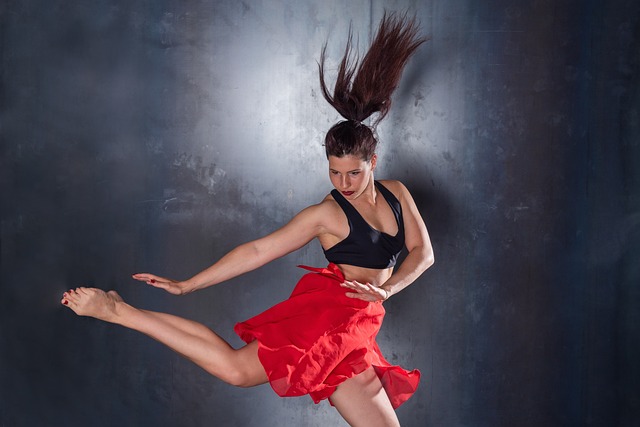

The modern entertainment landscape is a vibrant tapestry where music, movement, and narrative intertwine. At the heart of this interplay stands the choreographer, an architect of physical storytelling whose influence stretches far beyond the confines of dance studios. From the electrifying stage of a pop concert to the communal glow of a music festival, and even the silver screen, choreographers shape how audiences experience rhythm and emotion.
The Evolution of the Choreographer’s Role
Historically, choreography was a discipline rooted in classical ballet and theater, often performed for a fixed audience in a proscenium arch. The advent of televised music videos in the late 20th century demanded a new kind of choreographer—one who could translate studio intimacy into large‑scale spectacle. Today, the choreographer is a versatile storyteller, collaborating with producers, musicians, and technical crews to design immersive experiences that resonate across multiple media.
- Integration with technology: LED walls, motion capture, and augmented reality.
- Cross‑genre collaboration: Jazz, hip‑hop, electronic, and folk influences.
- Audience participation: Interactive choreography that invites crowd involvement.
Concerts: From Stage to Spectacle
Live concerts are the most immediate platform where choreography can elevate a performance. A well‑planned routine not only complements the music but also creates a visual narrative that guides the audience’s emotional journey. When a choreographer works with a lead singer or a full band, the result is a seamless blend of sound and movement that can redefine the concert’s identity.
“The choreography turned a simple tour into a theatrical event.” – Festival organizer
Festival Dynamics: Scaling Up
Music festivals, with their sprawling stages and diverse crowds, present unique challenges and opportunities. Choreographers must account for large spaces, varied acoustics, and an audience that moves freely. The goal is to create a choreography that is both visually striking and safe, allowing millions to engage without feeling confined.
- Spatial awareness: Designing formations that flow across multi‑tiered stages.
- Safety protocols: Incorporating clear pathways and crowd‑sensing technology.
- Brand alignment: Reflecting the festival’s ethos through movement vocabulary.
Choreography Meets Technology
Modern festivals often use drones, LED installations, and motion‑sensing lights to augment choreography. A choreographer can program movements that synchronize with dynamic lighting rigs, turning the entire venue into a living canvas. This technological integration pushes the boundaries of what can be achieved, creating immersive environments where music and movement converge in real time.
Cinema: Translating Dance for the Screen
In film, choreography transcends the stage to become a narrative device. Directors rely on choreographers to craft sequences that enhance character development, support plot progression, and heighten emotional stakes. The choreography must be mindful of camera angles, editing rhythms, and the cinematic language of visual storytelling.
From the opening dance number of a romantic comedy to the choreographed battle scenes in action thrillers, the choreographer’s input is pivotal. The physicality of a character’s movements can signal internal conflict or evolution, making choreography an essential tool in the filmmaker’s arsenal.
Music Industry Influence: Crafting the Artist’s Identity
Beyond live performance, choreographers help shape an artist’s public persona. Signature moves, distinctive stage signatures, and even the way an artist interacts with the crowd can become synonymous with their brand. The choreographer’s vision often dictates the visual shorthand that fans recognize instantly.
- Signature dances that become viral trends.
- Consistency across tours and televised performances.
- Collaborations with fashion designers to align movement with costume.
Collaborative Ecosystems: The Interdisciplinary Approach
Successful choreography is rarely the result of a single individual’s effort. It emerges from an ecosystem of creative minds: choreographers, music producers, lighting designers, and stage managers. This collaborative model ensures that movement is integrated with sound, visual effects, and production logistics, creating a holistic experience that resonates with audiences.
Case Study: A Global Pop Tour
Consider a recent world tour by a top‑chart pop artist. The choreographer designed a set of moves that mirrored the album’s thematic arcs. Every set change corresponded to a different musical style, and the choreography guided the audience’s emotional rhythm from exuberant joy to contemplative reflection. The result was a cohesive, immersive experience that received widespread acclaim.
Future Trends: Virtual Reality and Immersive Dance
Virtual reality (VR) is set to revolutionize how choreography is experienced. In VR concerts, choreographers can design movement sequences that interact with virtual audiences, creating a shared space where fans can participate from anywhere in the world. Similarly, augmented reality (AR) overlays choreographed graphics onto live performances, adding a layer of interactivity that blurs the line between performer and spectator.
As technology advances, choreographers will become key innovators, bridging the gap between physical movement and digital immersion.
Education and Accessibility
With the rise of online platforms, choreographers are also pioneering new educational models. Masterclass series, interactive tutorials, and digital workshops enable aspiring choreographers to learn from industry leaders, fostering diversity and inclusivity within the dance community. This democratization of knowledge is vital for sustaining a vibrant, innovative choreographic ecosystem.
Conclusion: The Choreographer as Cultural Catalyst
The choreographer’s impact on concerts, festivals, and cinema is profound and multifaceted. By weaving movement into the fabric of music and narrative, choreographers elevate entertainment from mere performance to an emotionally resonant, immersive experience. Their work shapes how artists express themselves, how audiences engage, and how cultural moments are remembered. As the entertainment industry continues to evolve, the choreographer remains an essential catalyst, guiding the rhythm of our shared cultural landscape.