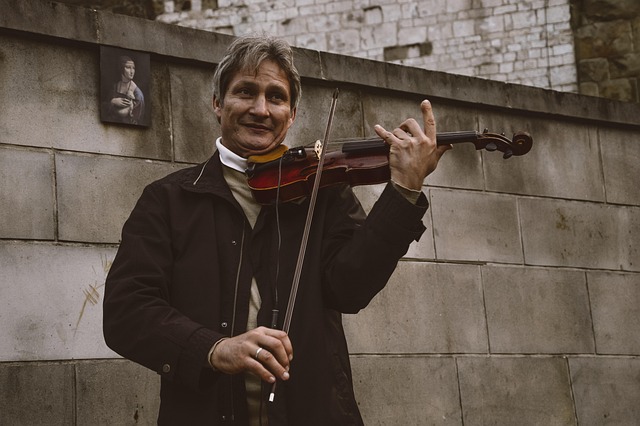

The world of live performance has always been a reflection of cultural shifts, technological advances, and evolving audience expectations. In this ever‑changing landscape, the musician is more than a performer; they are a storyteller, a brand, and often a catalyst for broader industry trends. From intimate club gigs to sprawling festival stages, and from the silver screen to streaming platforms, the modern musician navigates a web of opportunities that were unimaginable a few decades ago.
Concerts: The Timeless Connection
Concerts remain the heart of a musician’s career. The immediacy of a live set, the electric exchange between performer and audience, and the tangible energy that fills a venue create a unique experience that cannot be replicated in a studio. For musicians, a concert is an investment of time, creativity, and often, a bold statement of intent. The authenticity of a live performance grounds the artist’s brand, building trust with fans and fostering a sense of community.
- Authenticity: Audiences crave the raw, unedited moments that a concert offers.
- Revenue Generation: Live shows now constitute a larger share of a musician’s income due to declining physical sales.
- Brand Amplification: Each concert serves as a touchpoint for merchandise, social media, and press coverage.
From Small Bars to Arena‑Sized Festivals
While the humble coffee‑house gig can spark a musician’s journey, the true test often comes on a festival stage. Festivals bring together diverse lineups, drawing crowds that might not have otherwise encountered a particular artist. For musicians, a festival slot can act as a launching pad for new material, a bridge between different fan bases, and a platform for experimental sets that would be risky in a traditional concert setting.
“When you play a festival, you’re not just performing—you’re curating an experience for a crowd that spans genres, ages, and cultures.” — A seasoned festival veteran
Festivals: A Microcosm of Music Industry Evolution
Modern festivals have become sprawling ecosystems, integrating technology, sustainability initiatives, and cross‑media collaborations. Musicians who participate in festivals are not only performers; they are participants in a larger narrative that intertwines music with fashion, art installations, and digital engagement.
- Immersive Tech: Stage designs now incorporate LED mapping, holography, and AR overlays, allowing musicians to create multi‑sensory performances.
- Eco‑Consciousness: Many festivals now focus on carbon neutrality, offering musicians a platform to promote environmental advocacy.
- Global Exposure: A single festival performance can generate millions of online impressions, accelerating a musician’s international reach.
Music in Cinema: A Symbiotic Relationship
Film has always been a powerful vehicle for musicians. Whether providing a score, appearing as a cameo, or being featured in a pivotal soundtrack, cinema exposes artists to new audiences. The relationship between musician and cinema is symbiotic; while filmmakers gain emotive depth from music, musicians gain narrative context that can deepen the emotional resonance of their work.
Recent trends show musicians collaborating directly with directors on concept albums that serve as prequels or expansions to film franchises. This cross‑media storytelling not only enhances the cinematic experience but also offers musicians a new revenue stream and creative outlet.
Soundtracks as Cultural Milestones
Soundtracks have evolved from background fillers to cultural touchstones. Iconic tracks like the opening themes of blockbuster movies or the haunting melodies of indie films can cement a musician’s legacy. Moreover, with streaming services bundling film and music catalogs, a single track can reach millions within hours, a phenomenon that previously required years of promotion.
“A film can amplify a song beyond its original audience, turning a local hit into a global anthem.” — A music‑industry analyst
The Digital Shift: Streaming, Social Platforms, and Direct Fan Engagement
In the last decade, the way musicians connect with fans has shifted dramatically. Streaming services have become the primary consumption platform, with algorithms determining listening habits and playlist placements. Social media platforms now serve as real‑time promotional tools, where a single tweet can spark a viral trend.
For musicians, the challenge lies in balancing monetization with authenticity. While streaming royalties are a steady income source, they often amount to a fraction of what a concert can bring. Musicians have therefore turned to innovative strategies: limited‑edition NFTs, exclusive behind‑the‑scenes content, and interactive livestream concerts to create new revenue channels.
Direct‑to‑Fan Models
Platforms that allow musicians to sell merchandise, tickets, and exclusive content directly to fans are reshaping the economics of the music industry. By cutting out intermediaries, musicians retain a larger share of profits and gain deeper insights into fan demographics. This model also fosters a sense of ownership among fans, who often feel more connected to artists who share personal updates and behind‑the‑scenes glimpses.
Live Streaming Concerts: The New Frontier
COVID‑19 accelerated the adoption of virtual concerts, and the format remains a vital part of many musicians’ touring strategies. Live streaming allows performers to reach audiences worldwide without the logistical constraints of a physical venue. High‑quality streaming, coupled with interactive features such as real‑time chat and virtual meet‑and‑greets, creates a hybrid experience that blends the intimacy of a live show with the accessibility of the digital realm.
For musicians, streaming concerts also offer data analytics—tracking viewership, engagement metrics, and ticket sales in real time—enabling more precise marketing and audience segmentation.
Hybrid Events and Post‑Pandemic Touring
Hybrid events, where a portion of the audience experiences the show in person and another portion engages remotely, have become standard practice. Musicians can leverage these events to expand their reach while maintaining the buzz of a live performance. Post‑pandemic, touring has taken on new dimensions, with artists experimenting with unconventional venues—floats on river cruises, pop‑up stages in abandoned warehouses, and even virtual reality environments.
Industry Trends: The Future Landscape for Musicians
As we look ahead, several trends are shaping the future of the music industry and the role of musicians within it:
- Artificial Intelligence in Composition: Musicians are increasingly collaborating with AI tools to generate melodies, harmonies, and even entire tracks, expanding creative possibilities.
- Blockchain and Ownership: Blockchain technology offers new ways to manage rights, track royalties, and ensure transparent ownership structures for musicians.
- Global Market Expansion: Emerging markets in Asia, Africa, and Latin America are becoming vital hubs for musical exchange, encouraging musicians to adapt their content for diverse cultural contexts.
- Sustainability in Touring: Environmental consciousness is prompting musicians to adopt greener touring practices, such as carbon offset programs and sustainable merchandise.
- Health and Wellness: Mental health awareness is becoming integral to the musician’s life, with industry organizations offering resources and support for performers facing the pressures of touring and public scrutiny.
Conclusion: The Musician as an Ecosystem Catalyst
From the echoing halls of a small venue to the bright lights of an international festival, from the intimacy of a studio recording to the expansive reach of cinema and streaming, the modern musician is a pivotal figure in a complex ecosystem. Their performances influence audience tastes, drive technological innovation, and shape cultural narratives. By embracing new platforms, forging cross‑media collaborations, and staying attuned to industry trends, musicians continue to redefine what it means to create, perform, and connect in an increasingly digital and interconnected world.